
Bauhaus
Archive

Marianne Brandt: Shaped Light
Marianne Brandt, the only woman in the Bauhaus metal workshop, designed iconic lamps and utensils. 💡👩🎨
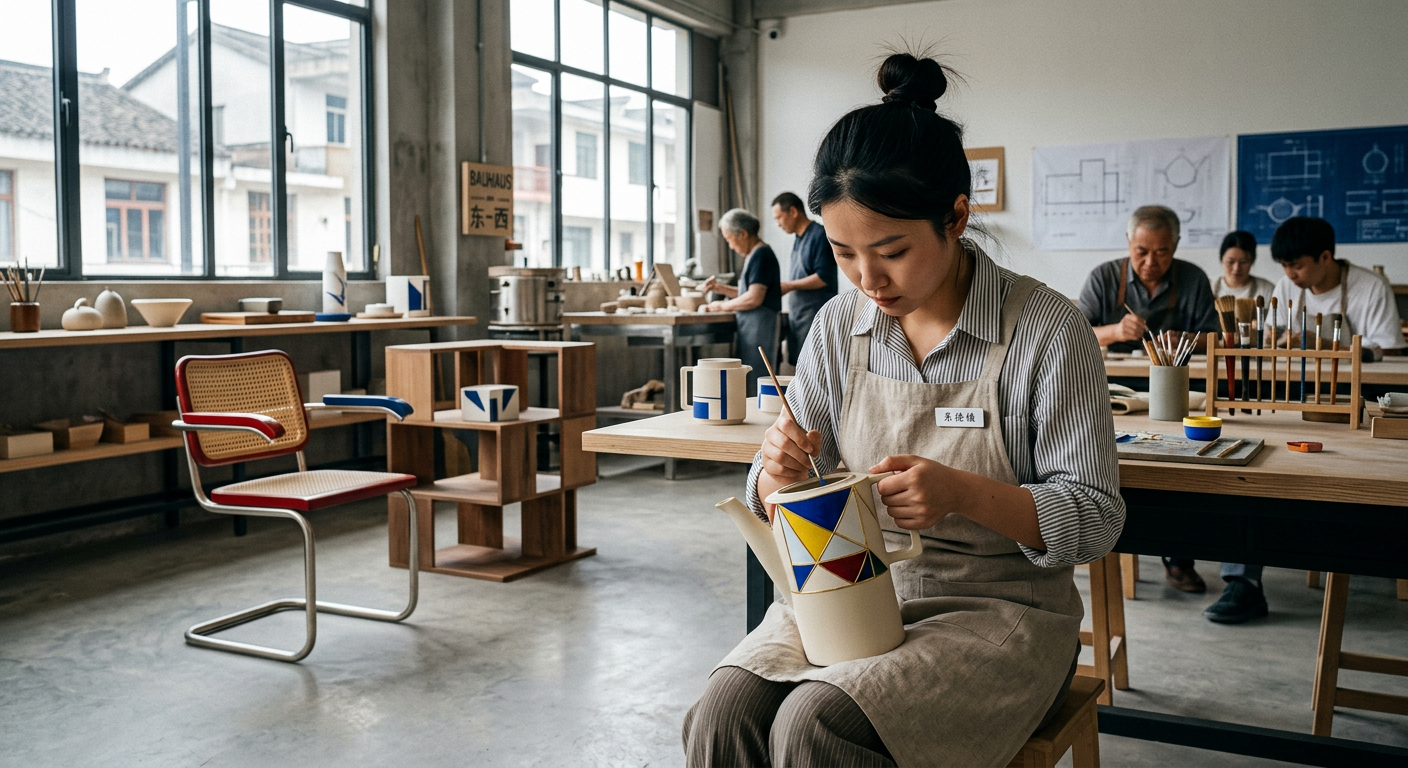
Chinese Craft: Bauhaus Reimagined
Chinese craft traditions are reinvented with a Bauhaus twist—local artisans blend centuries-old techniques with modern, functional design ✂️

Bauhaus 1919: Design Revolution
Did you know that the Bauhaus school, founded in 1919 by Walter Gropius, revolutionized modern design and architecture? 🌟
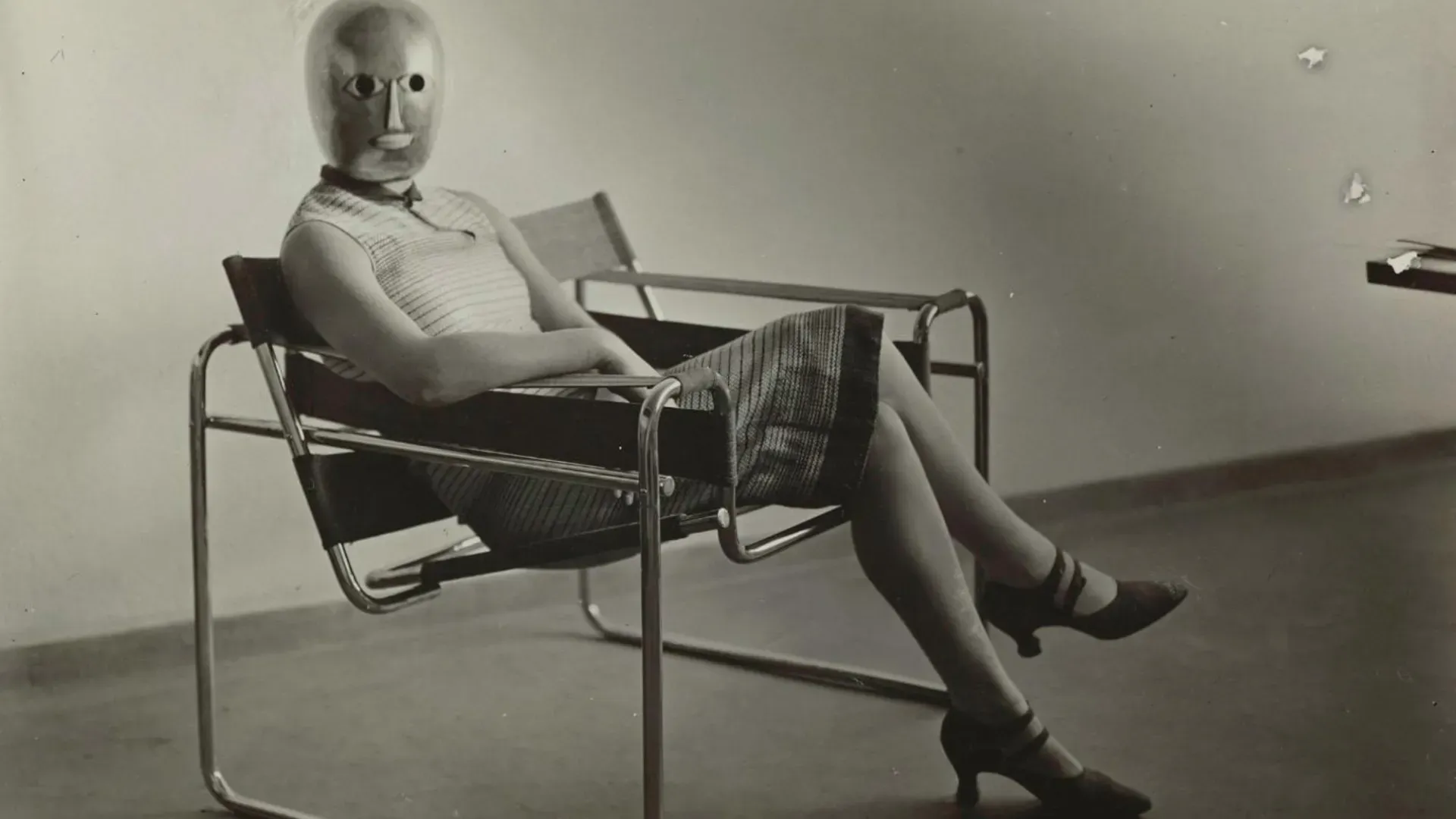
Bauhaus: Ergonomics in Design
The study of ergonomics became relevant at the Bauhaus to improve product design. 🧘♂️
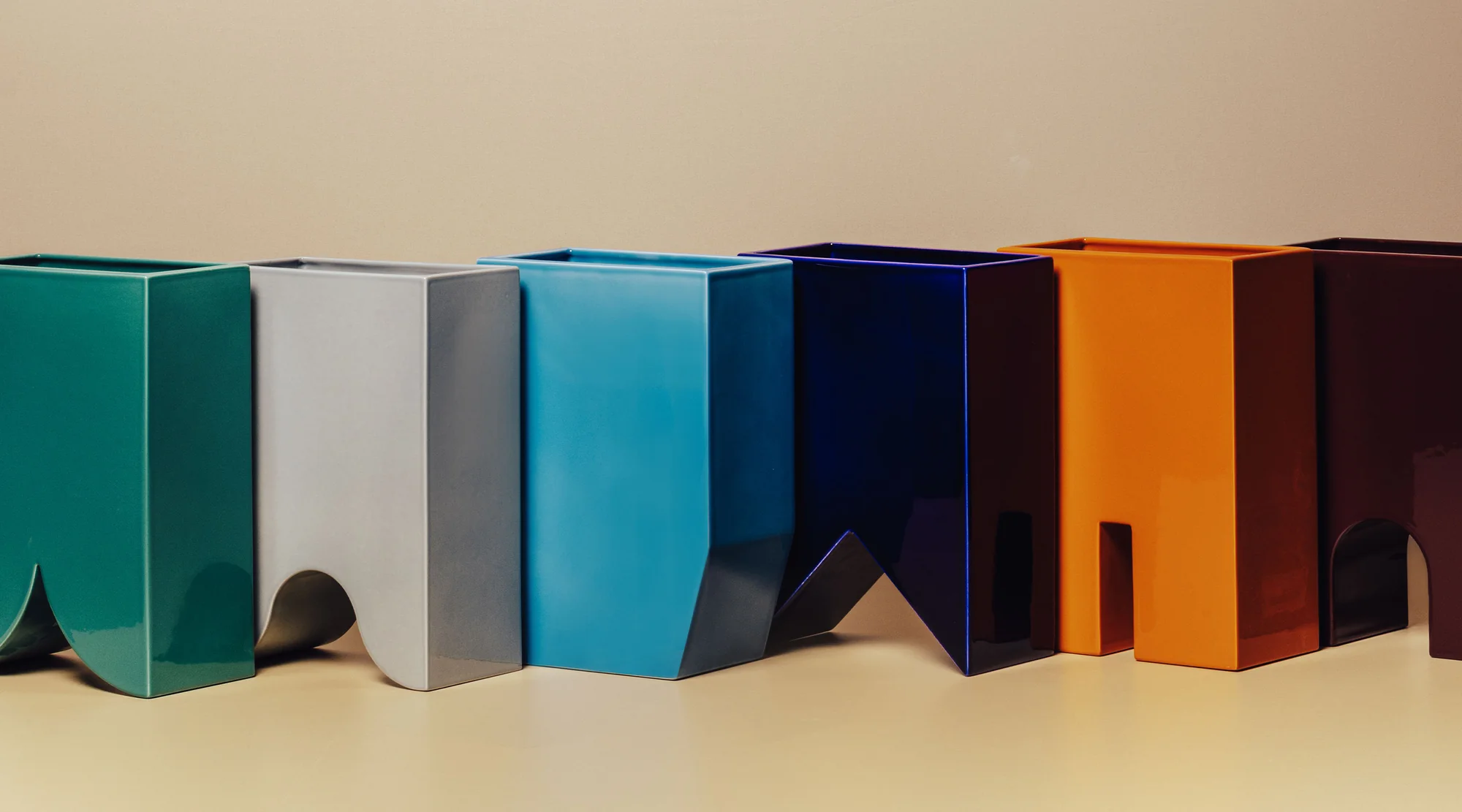
Italian Ceramics
Italian ceramics and glassware transform everyday objects into art—Bauhaus-inspired designs bring simplicity and function to tableware 🍶
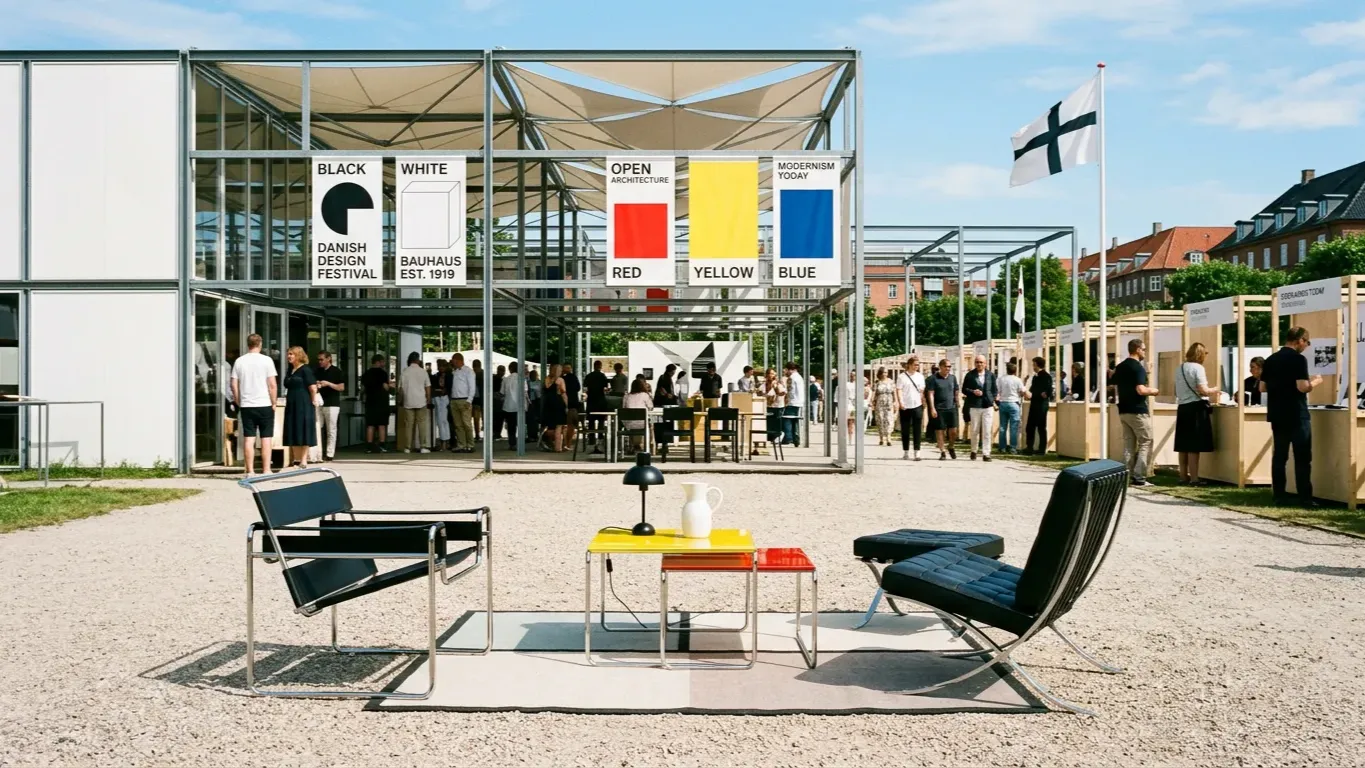
Danish Festivals Advance Bauhaus Principles
Danish design festivals demonstrably perpetuate the Bauhaus ethos, integrating its foundational principles of functionalism, technological integration, and minimalist aesthetics into immersive, publicly accessible experiences that redefine contemporary urban engagement.
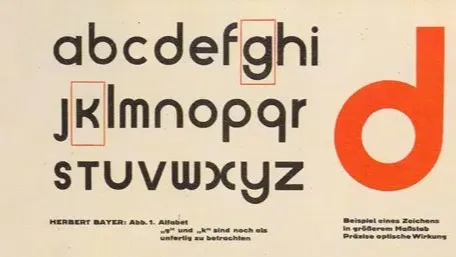
Bayer's Universal: Simplified Communication
Herbert Bayer's "Universal" typeface aimed to simplify written communication ✍️
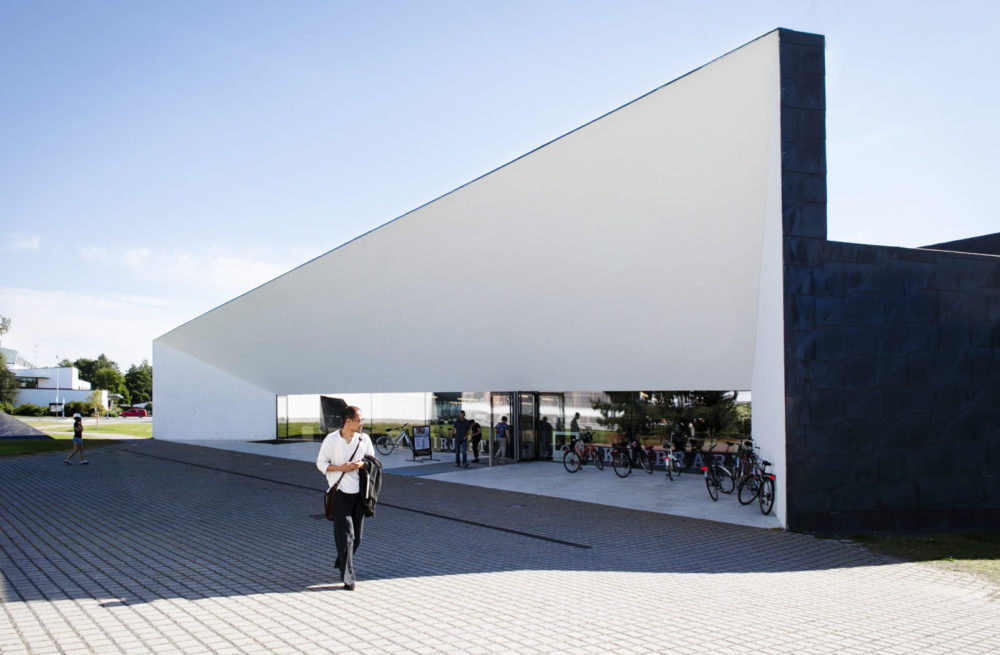
Finnish Modernism
Finnish architects use clean, functional lines to design buildings that are both innovative and practical—true to the Bauhaus spirit 🏢
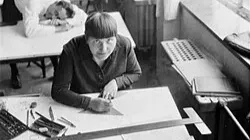
Lotte Beese: Bauhaus Pioneer
Lotte Beese was one of the few female architects associated with the Bauhaus 🏗️
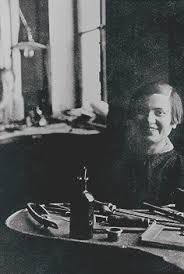
Marianne Brandt: Metal Workshop Triumph
Marianne Brandt’s admission to the metal workshop came through her persistence, talent, and support from László Moholy-Nagy 💡
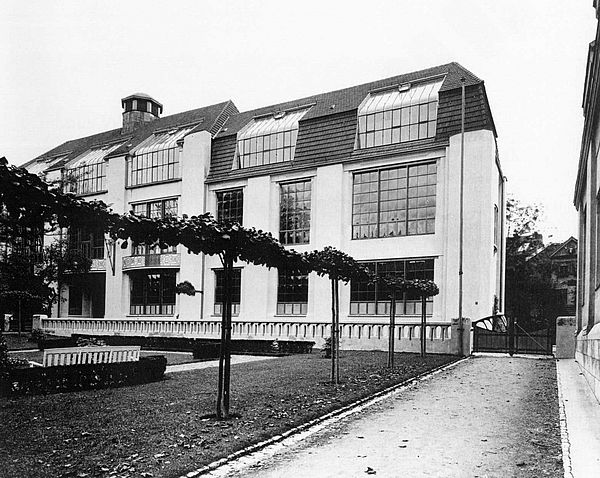
Weimar Bauhaus: State Governance
The Bauhaus in Weimar was a state school and depended on the government of Thuringia 🏛️🗳️

Defining Bauhaus: Form, Hue
Bauhaus design is characterized by the use of simple geometric shapes and primary colors. 🔴🟡🔵

Fagus: Gropius's Proto-Bauhaus Design
Walter Gropius -along with Adolf Meyer- designed the iconic Fagus Factory before founding the Bauhaus 🏭
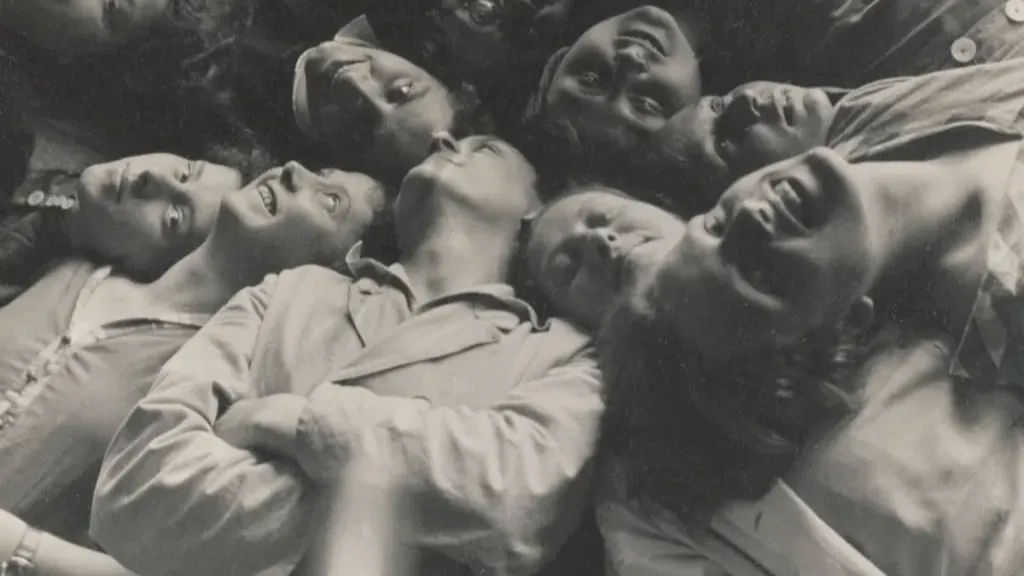
Bauhaus Paradox: Gender and Design
The Bauhaus promoted an ideal of design for everyone, yet in practice many women were steered into “acceptable” workshops such as weaving. This gap between progressive ideals and social reality reveals an early struggle for recognition within modernism. Far from being mere craft, their work reshaped the boundaries of design and showed that true innovation goes beyond assigned roles.