
Weimar Bauhaus: State Governance
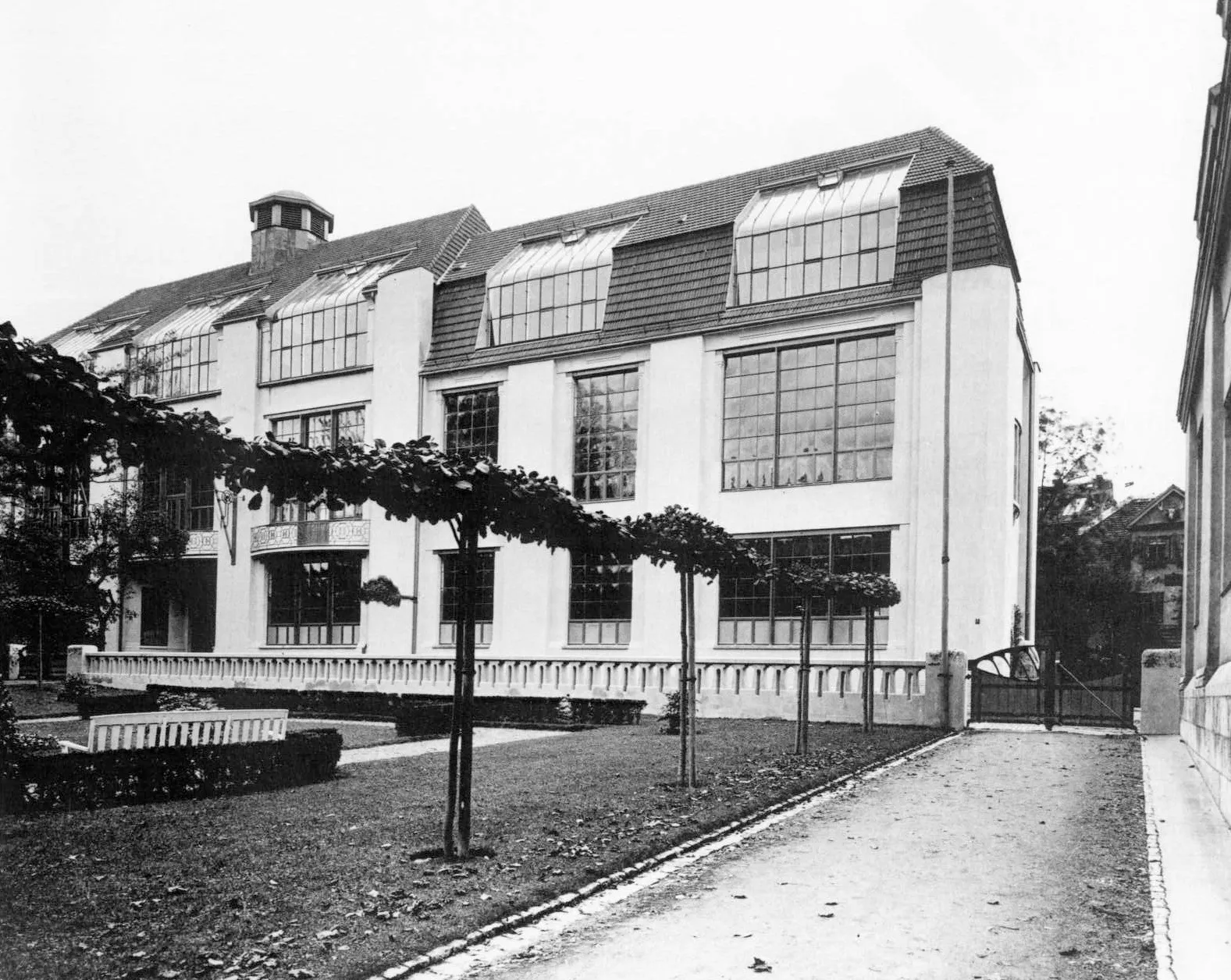
The Bauhaus in Weimar was a state school and depended on the government of Thuringia 🏛️🗳️
When it comes to Bauhaus design, we think contemporary and cool. Most interestingly, this radical movement in its early years was not in some underground system at all, but a state-funded institution that relied on local government support.
Walter Gropius, a highly influential architect, founded the Staatliches Bauhaus Weimar in 1919. At the early Weimar Republic´s forward-looking climate, the Thuringian government decides to fund this experimental academy to signal a daring, modern Germany.
Eager to discover more about a master design of the modern age – the case of the creative workshops of Wassily Kandinsky and Paul Klee and the paradox of their very public subsidy.
It was a double-edged sword to depend on the state for governance:
Wealthy benefactors and generous contributions from industries and the state massively subsidized the Bauhaus. This was the reason that it did not charge any tuition fees from the exceptionally talented but disadvantaged students.
It connected the school directly with politics that could change rapidly. The radical curriculum was met with deep suspicion by politicians and craft guilds.
In the end, this dependence was fatal for the Weimar chapter. When the Thuringian government turned right in 1924, government funding cut in half. Due to financial impossibility, the school was forced to close and relocate to Dessau in 1925. The early Bauhaus reminds us that the most famous design movement in history was entirely shaped by the complex machinery of state power.
Base Material
- 'Bauhaus 1913-1933' pt.1