
Essays
Extended reflections connecting Bauhaus-informed thinking to contemporary practice in design, education, and culture.

A Bauhausian Habitat Beyond Earth
Space habitats make the Bauhaus question brutally literal: when volume, energy, material and attention are scarce, every design decision becomes systemic. The challenge is not to make space look modern, but to make extreme environments liveable without reducing people to components.

Hannes Meyer’s Forgotten Bauhaus: Participation, Science and Social Purpose
Meyer’s Bauhaus replaced much of the school’s heroic formal language with needs analysis, collective work and social purpose. His short directorship is crucial for understanding Bauhaus as a method for organising life rather than a style.
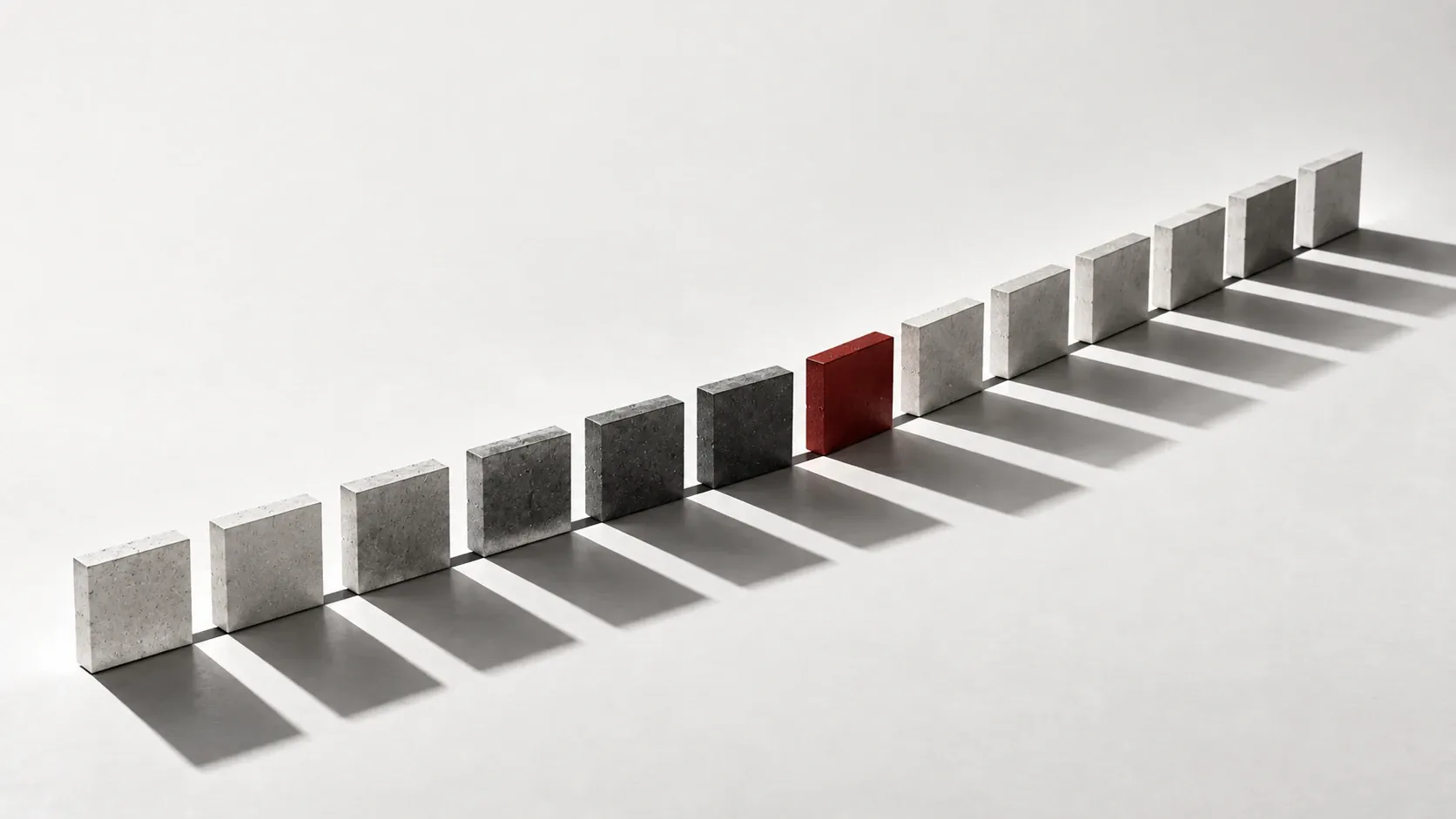
The Bauhausian Everyday: Twelve Decisions, Not Twelve Objects
A Bauhausian everyday is not a home filled with canonical chairs and primary colours. It is a practice of making ordinary decisions with more attention to need, access, maintenance, labour, systems and consequences.

What Would the Bauhaus Be in 2026?
If the Bauhaus existed in 2026, its most faithful continuation would probably not look Bauhaus. It would be a public-interest laboratory working across housing, AI, climate, accessibility, education and civic systems—and arguing constantly about who design is for.

Joining a City Without Treating It as a Product
A city is not a service package for newcomers. Belonging grows through reciprocal adaptation: learning local languages and codes, using shared public space, participating in civic life and contributing to a place rather than merely consuming its advantages.