
Italian Ceramics
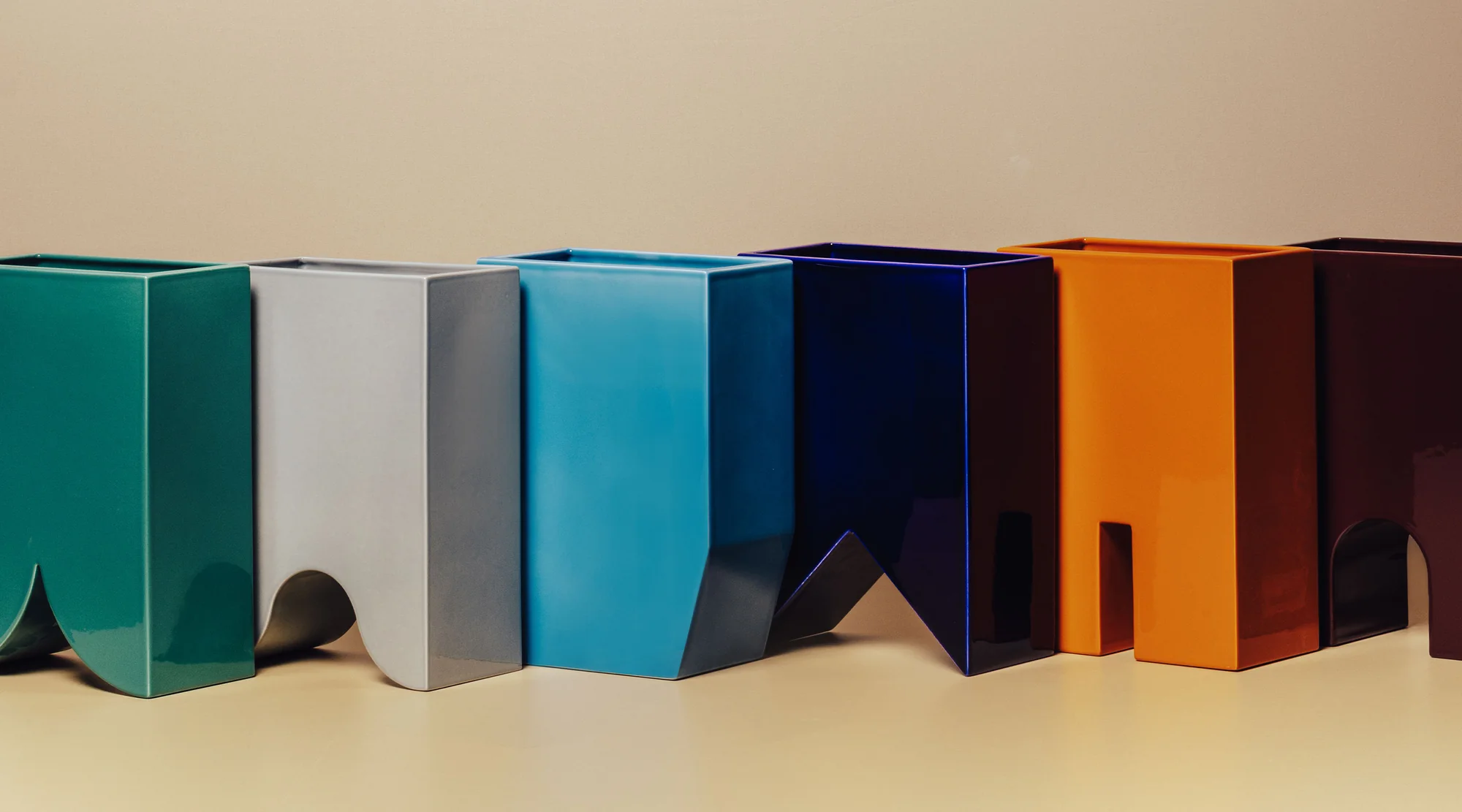
Italian ceramics and glassware transform everyday objects into art—Bauhaus-inspired designs bring simplicity and function to tableware 🍶
The foundational principles of the Bauhaus—clarity, functionality, and a rigorous commitment to geometric form—transcended its German origins, profoundly shaping post-war design movements globally. In Italy, this influence catalyzed a distinctive modern aesthetic, bridging a rich artisanal heritage with an uncompromising functionalism. This synthesis found expression across various disciplines, particularly in the realm of product and industrial design, where a new material honesty and precision emerged.
Key figures in Italian design embodied and evolved this Bauhausian ethos. Gio Ponti served as a pivotal link, expertly navigating between established Italian tradition and the demands of modern, functional design. His work often explored innovative forms while retaining an inherent grace. Later, Massimo Vignelli pushed this minimalism to its absolute zenith, particularly evident in his iconic "Heller" dinnerware set, a testament to pure, unadorned utility. Concurrently, Lino Sabattini's designs in metal and ceramics offered a tangible definition of geometric simplicity, transforming everyday objects through a disciplined pursuit of form.
These designers, each with their unique idiom, collectively cemented the Bauhaus's enduring relevance. Their contributions underscore a timeless truth: that design, when stripped to its essential elements of form, material, and function, achieves a universal and lasting resonance, transcending transient trends.
Base Material
- "The designers training: Bauhaus influence in postwar Italy." Academia.edu
- "A Century of Bauhaus." Ceramica.info
- Bitossi Ceramiche