
Finnish Modernism
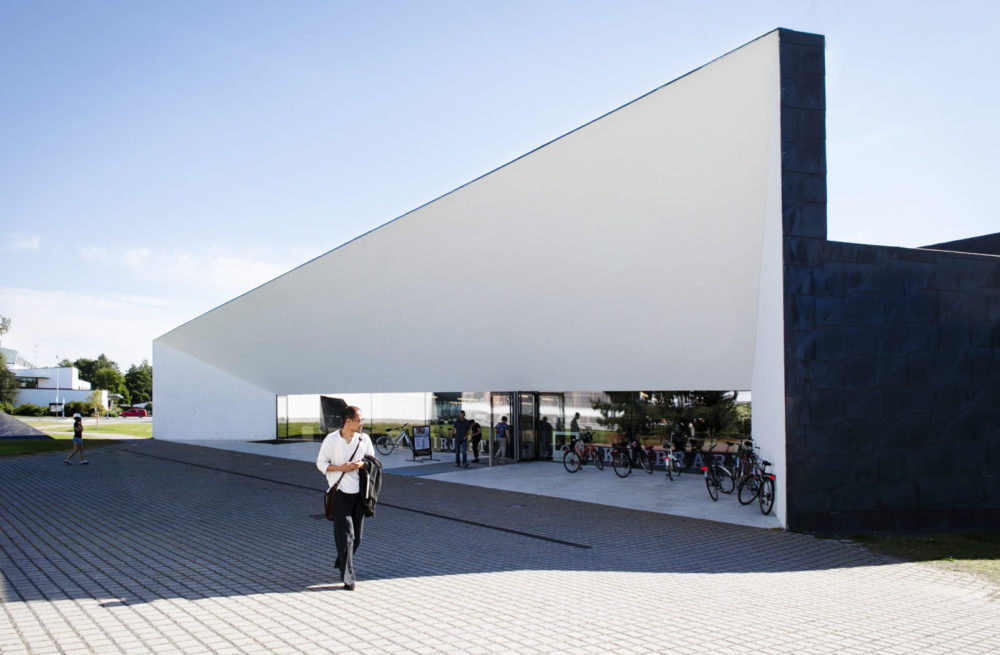
Finnish architects use clean, functional lines to design buildings that are both innovative and practical—true to the Bauhaus spirit 🏢
Finnish architecture, particularly from the early 20th century onward, developed a distinct modernism that resonates deeply with these tenets. Architects like Alvar Aalto, Eliel Saarinen, and their successors instinctively embraced rational design, though often tempered by a profound connection to nature and indigenous materials. Their work consistently demonstrates:
Clarity of Form: Buildings characterized by clean, unadorned lines and geometric precision.
Functional Rigor: Every element serves a purpose, optimizing utility and user experience.
Material Honesty: A preference for natural materials—wood, brick, stone—expressed in their inherent qualities, rather than disguised or embellished.
Integration with Environment: A nuanced approach to site, light, and landscape, creating structures that feel deeply rooted.
The Finnish approach, while often more organic and humanistic than some stricter Bauhaus interpretations, shares its core intellectual rigor. Both movements understood that true innovation lay not in superficial styling, but in a deeper engagement with human needs and the possibilities of construction. This convergence of practicality and poetic expression ensures that Finnish architecture, with its clean lines and purposeful forms, remains a potent testament to the enduring, practical idealism of the Bauhaus spirit.
Base Material
- Modernism and the natural world – the designs of Alvar and Aino Aalto - V&A
- Focus on Bauhaus and Nordic Architecture and Design - Tahiti
- Take A Tour of Alvar Aalto's Functionalist Buildings - Google Arts & Culture