
Fagus: Gropius's Proto-Bauhaus Design
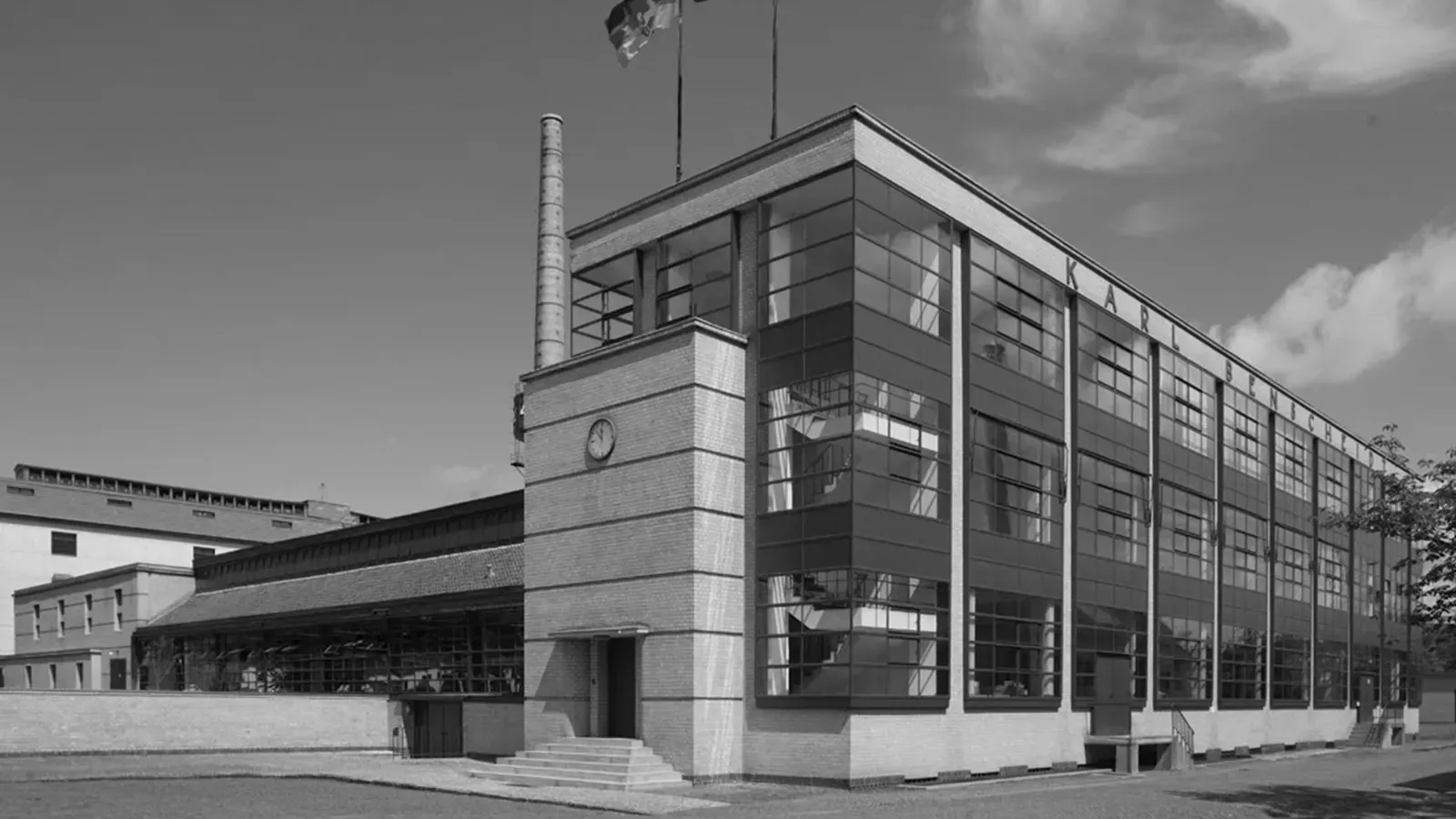
Walter Gropius -along with Adolf Meyer- designed the iconic Fagus Factory before founding the Bauhaus 🏭
Before founding the Bauhaus school (1919), Walter Gropius (with Adolf Meyer) completed the Fagus Factory at Alfeld an der Leine (1911–1913) which is a complex the evolution of which was modern architecture. Unlike the heavy traditional masonry construction of the time, the Fagus Factory challenged these conventions by introducing a new glass curtain wall construction system. Its corners dematerialized, and there were no conventional load-bearing elements. The light-coloured brick boundary walls were provided with window openings while large glass panels provided a feeling of lightness and translucency that reduced bulkiness. The design of this edifice is one of the earliest instances of Bauhaus style. These Ideas by Fagus Factory Gave Hints of Ideologies of Bauhaus The craftsmanship style in Japan has great impact on the structure of hostile architecture which reveal the artists to conceal hostility. This structure illustrated a clear passage to fusion.
Base Material
- UNESCO World Heritage Centre. "Fagus Factory in Alfeld." Retrieved from UNESCO website.
- Giedion, Siegfried. Space, Time and Architecture: The Growth of a New Tradition. Harvard University Press, 1967.
- Frampton, Kenneth. Modern Architecture: A Critical History. Thames & Hudson, 2007.
- Nerdinger, Winfried (Ed.). Walter Gropius: The Total Work. Bauhaus-Archiv Berlin, 2018.